


Russian Venture Forum Unveils "Venture Academy. Regions," a Free Training Initiative for Angel Investors
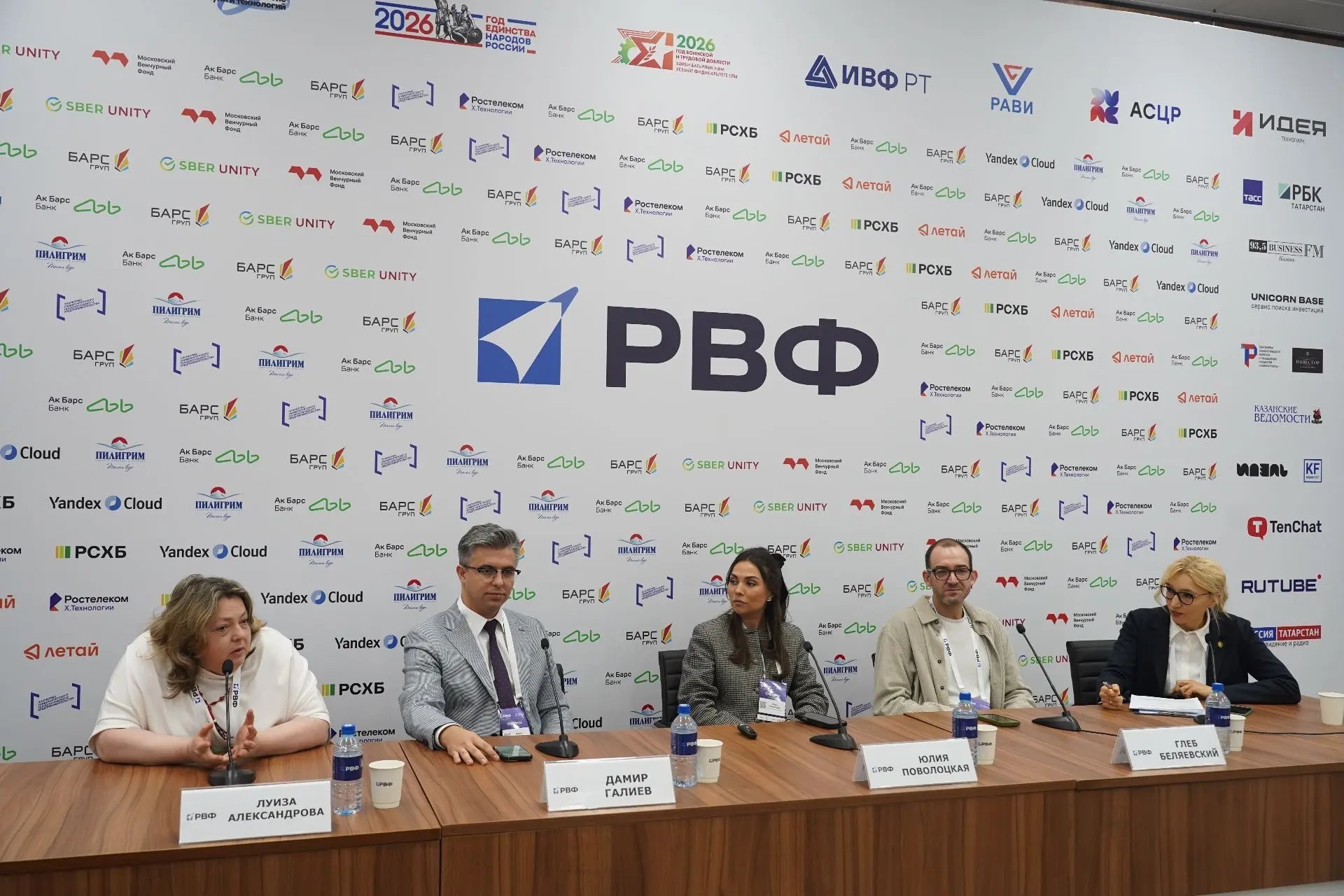
At the Russian Venture Forum (RVF 2026), the Moscow Venture Fund announced a major pivot for its free educational program, "Venture Academy. Regions," transitioning it into a year-round, open-access format available to all Russian residents. The program bridges theory and execution by guiding participants through online lectures, expert-led offline events, and practical case studies, ultimately culminating in "mock" investments and structured support for their first real startup deals.
The initiative is organized by the Moscow Venture Fund and the Moscow Innovation Cluster, in partnership with the SberUnity online hub, Investment and Venture Fund of the Republic of Tatarstan (IVF RT), and the Union of Business Angel Organizations. Originally launched in 2021 as a practical course for novice investors, the academy has evolved into a premier venture training ecosystem. Across 16 previous cohorts, it has trained over 1,000 graduates with more than 2,500 completing its theoretical modules who have collectively deployed over 550 million rubles into dozens of tech startups.
The core structural shift replaces the traditional cohort model with a continuous, on - demand learning infrastructure. Participants can now enroll at any time to immediately access video lectures, tests, and methodology frameworks, while masterclasses and webinars with development institutions run continuously to accommodate regional time zones.
During the RVF 2026 press conference, Moscow Venture Fund CEO Yulia Povolotskaya noted that the expansion aims to de-risk early-stage investing and institutionalize innovation culture nationwide. Reinforcing the practical value of the curriculum, Damir Galiev, Director of IVF RT, stated that active startup investing serves as a real world executive education, functioning like a highly applied MBA that drives rapid personal and professional growth.
Gleb Belyaevskiy, Head of Accelerator Investments at Sber, highlighted that the venture ecosystem is backed by an integrated infrastructure - ranging from youth accelerators to the SberUnity matchmaking hub designed to convert academic knowledge into active deal flow. Experts concluded that by opening access to early stage deals, the new model will expand the private investor pipeline, democratize venture tools across the regions, and foster a unified national investment landscape.